
Neurobiological Foundations of Intimacy
Intimacy plays a pivotal role in shaping the quality of our relationships and overall well-being. Recent advances in neurobiology have illuminated the intricate neural underpinnings of intimacy, providing unprecedented insights into the mechanisms governing emotional and physical connection.
Secure Functioning: How Relationships Thrive
"Secure functioning" refers to a dynamic and mutually beneficial style of relationship that prioritizes the well-being of both partners.

The Psychobiological Approach to Couples Therapy (PACT)
An approach that integrates principles from attachment theory, neuroscience, and mindfulness to help couples build and maintain healthy, secure, and fulfilling relationships.
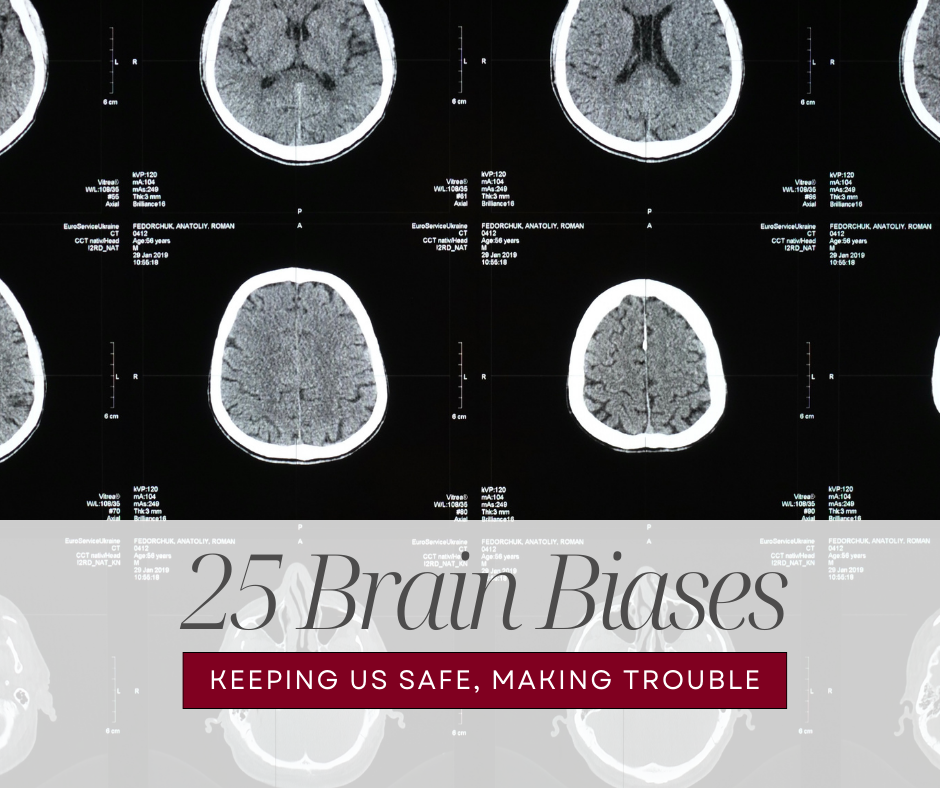
25 Brain Biases: Our Mind’s Quirks That Help Us Survive but Get Us in Trouble
Brain biases, also known as cognitive biases, are systematic patterns of deviation from norm or rationality in judgment, often leading to perceptual distortion, inaccurate judgment, illogical interpretation, or what is broadly called irrationality.

Kink Positivity: Navigating Desires
A kink refers to a non-traditional or unconventional sexual interest or activity that deviates from what is considered mainstream or socially normative. "Kink-positive" refers to an attitude, approach, or philosophy that supports and respects the exploration and expression of various forms…

Negative Sentiment Override and Focused Attention in Couples' Relationships
When persistent negativity distorts how partners perceive each other and their relationship affecting communication and connection learn how to break free from this cycle and rekindle positivity.